When Faith Becomes a Weapon!
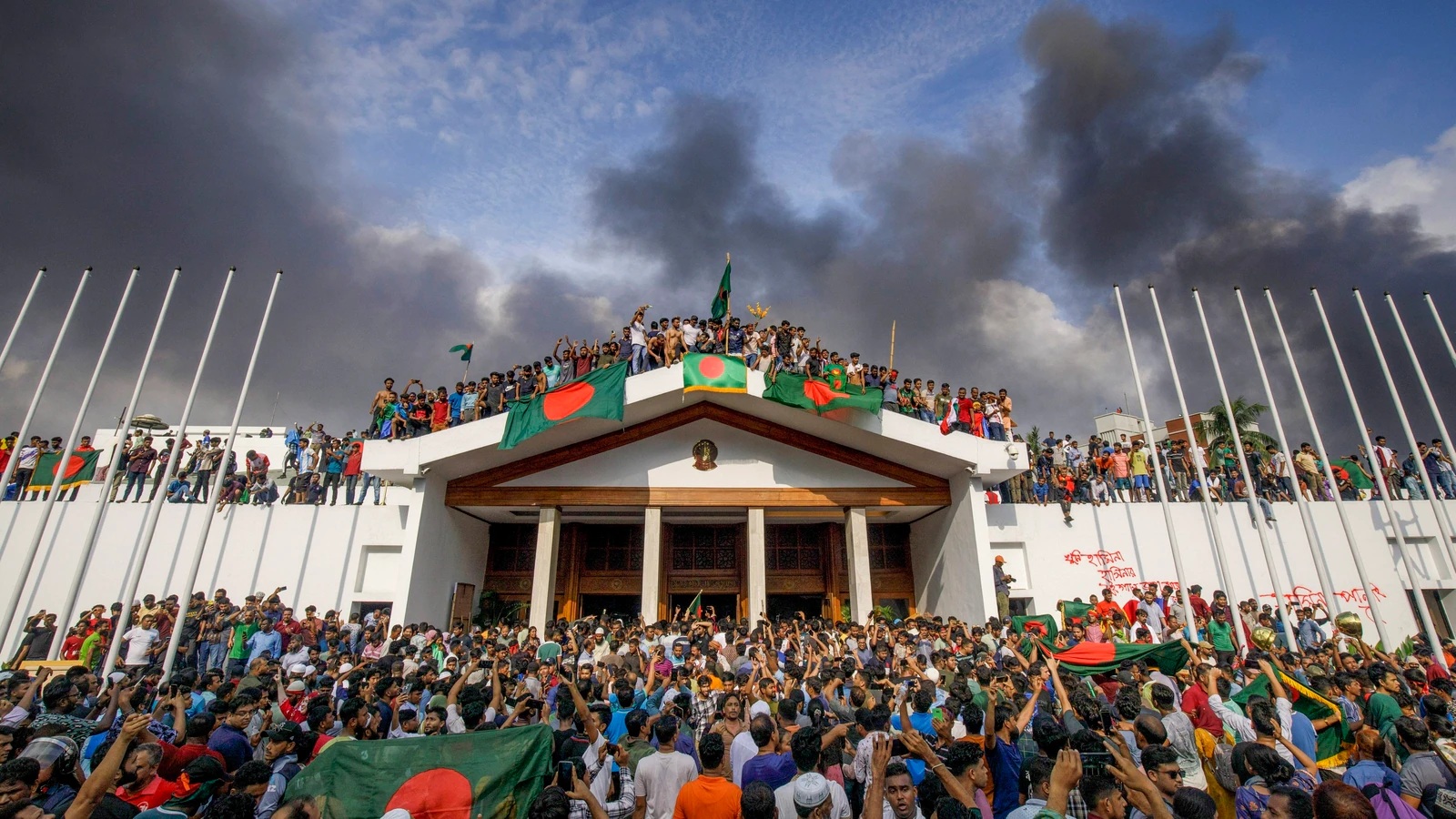
The ongoing turmoil in Bangladesh is a reminder of how quickly societies collapse when religion is mobilised for political control rather than justice and coexistence


By Kuldeep Kashmiri
Religion was born to make human beings better calmer and more humane not to divide dominate or destroy. Religion was meant to elevate conscience encourage compassion and restrain the darker impulses of human nature. Yet across the world today a disturbing reality confronts us religion is performing a naked dance of death.
This distortion did not happen suddenly. It begins when religion is pulled out of its moral space and pushed into the corridors of power. Once faith is fused with political ambition it stops being a moral compass. It becomes a weapon used by the powerful to inflame passions manufacture fear silence reason and rule unquestioning masses.
In its original form religion emerged as a human response to uncertainty. It tried to explain life death suffering and morality. Across civilizations religion helped societies build ethical norms social cohesion and inner discipline. In Indian philosophy religion was a way of life not a tool of the state. Faith was personal inward and reflective.
The real crisis begins when religion enters politics. Political power seeks obedience and permanence. Religion when weaponized provides unquestionable legitimacy. Opposition is branded immoral. Dissent is painted as betrayal of faith. Complex social problems are reduced to us versus them narratives and violence become justified.

The ongoing turmoil in Bangladesh is a reminder of how quickly societies collapse when religion is mobilised for political control rather than justice and coexistence. This pattern is not isolated. Similar developments elsewhere show the same outcome fear fractured societies and weakened institutions.
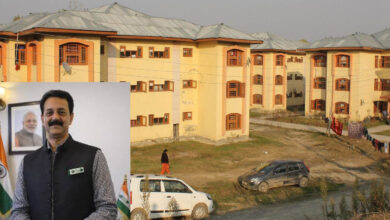
For some of us this is lived reality. Kashmir witnessed this tragedy thirty-six years ago when religious extremism turned neighbours into enemies and forced the Kashmiri Pandits into exile.
Thousands were uprooted, hundreds were killed and a centuries old plural culture was destroyed not by war but by the weaponisation of religion.
Even today that exile continues unresolved and largely unacknowledged. Generations have lived and died away from their homeland carrying memories of loss displacement and silence. Victims were not only displaced physically but slowly erased from collective memory.
History teaches that when rulers hide their hunger for power behind sacred symbols societies fracture. Innocents die democracy weakens and ordinary people suffer through displacement fear and silence. Religion meant to restrain power ends up sanctifying it.
Democracy depends on reason debate and dissent. Religious extremism undermines all three. Citizens are encouraged not to think but to believe. Media turns into propaganda. Education becomes indoctrination. Fear replaces dialogue.
Religion was never meant to govern states. It was meant to guide conscience. Separation of religion and power is not hostility toward faith but protection of it. Unless religion is returned to its rightful place as personal faith ethics and compassion powerful interests will continue to rule in the name of God.
The responsibility also lies with the masses. Silence in the face of extremism is not neutrality but complicity. True faith demands courage to question hatred and place humanity above identity.
History is filled with warnings written in blood. Kashmir stands as one such warning. Bangladesh is another unfolding reminder. Religion can still be a force for good but only if reclaimed from power and returned to conscience.
When faith is used to silence reason power flourishes and humanity bleeds.